Security Architecture for the AI Threat Era
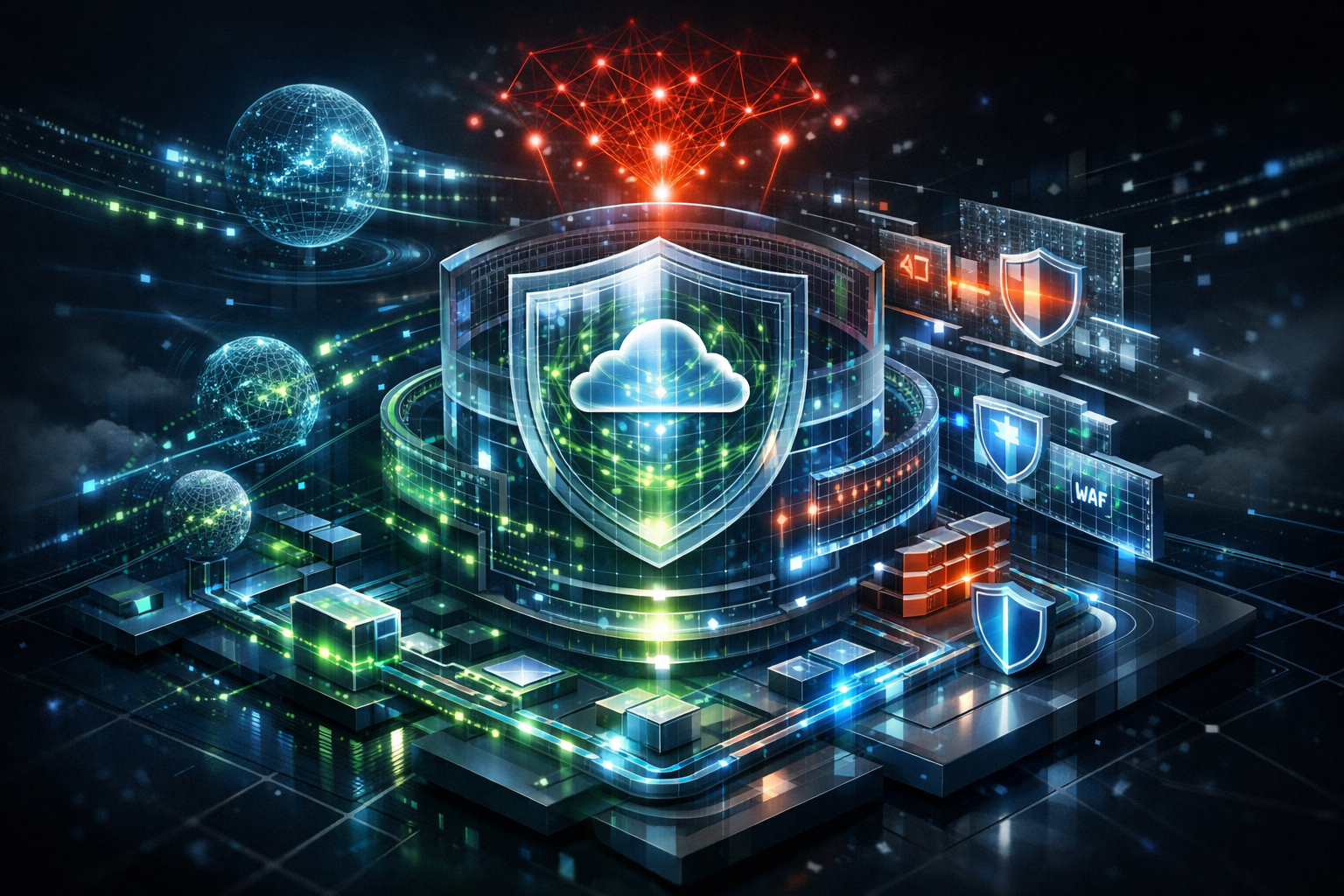
Cloudflare outlined how it defends against frontier cyber threats by treating itself as "customer zero" for its own security platform. Rather than relying solely on patch speed, the company combines threat intelligence, traffic visibility, automated policy enforcement, and layered controls such as WAF and API Shield to reduce exposure before threats become widespread.
Summary
Cloudflare outlined how it defends against frontier cyber threats by treating itself as "customer zero" for its own security platform. Rather than relying solely on patch speed, the company combines threat intelligence, traffic visibility, automated policy enforcement, and layered controls such as WAF and API Shield to reduce exposure before threats become widespread.
Key Updates
- Cloudflare uses its own security platform as the primary testing and defense environment.
- Threat intelligence from Cloudforce One feeds directly into detection and mitigation workflows.
- WAF managed rulesets and API protection services provide layered defenses around vulnerable systems.
- Cloudflare leverages visibility across its global network to identify emerging attack patterns.
- Security controls can be deployed rapidly as new threats are observed.
Why It Matters
The security landscape is shifting as AI-assisted attackers reduce the time between vulnerability discovery and exploitation. In this environment, organizations cannot rely exclusively on patching cycles to maintain protection.
Cloudflare's approach highlights a broader transition toward operational security systems that continuously connect threat intelligence, detection, policy deployment, and mitigation. The goal is not simply to respond faster after a vulnerability is disclosed, but to reduce exposure through architectural controls that can adapt in near real time.
This represents a move toward intelligence-driven security operations, where visibility and automated response become as important as the patch itself.
Builder Takeaway
Builders should evaluate how quickly threat intelligence can be translated into protective controls across their environments. The organizations most resilient to AI-era threats will be those that can continuously connect detection, decision-making, and mitigation into a single operational workflow rather than treating security as a series of isolated tools.
How strong is this signal for builders?
Signal feedback is stored anonymously and used to improve Tech Radar editorial quality.
Want more builder-focused AI and infrastructure signals?
Follow UniQubit Tech Radar or contact UniQubit about the systems you are building.